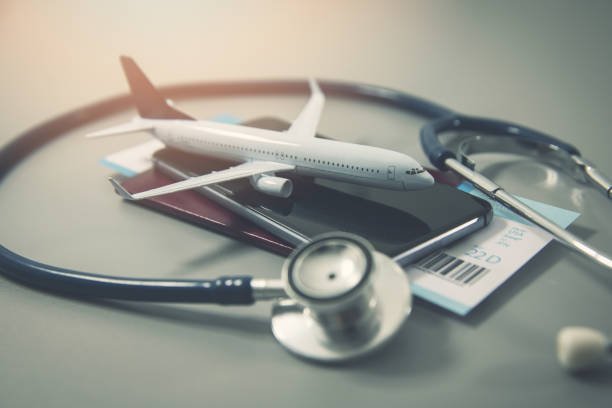
Imagine a small coastal town in Mexico, where locals once scraped by on fishing and seasonal visitors. Then came the clinics—sleek facilities offering affordable dental work and cosmetic tweaks to folks flying in from the U.S. Suddenly, jobs popped up everywhere: nurses, drivers, hotel staff. The main street got a facelift with new cafes and shops. But not everyone cheered. Some residents grumbled about rising rents and longer waits at the public hospital. That’s the double-edged sword of medical tourism—it’s a boon for some communities, a headache for others. If you’re wondering whether your own town or region should chase this trend, let’s dive in. We’ll explore the upsides, the pitfalls, and real-world examples to help you decide.
Understanding Medical Tourism
Medical tourism isn’t just jet-setting for a facelift; it’s people crossing borders for healthcare that’s cheaper, faster, or simply better than what’s available at home. Think heart surgeries in India or fertility treatments in Thailand. For communities, it means turning local hospitals into magnets for international patients, blending healthcare with hospitality to boost the economy.
The Basics of Medical Tourism
At its core, medical tourism involves traveling abroad for procedures like cosmetic surgery, dental care, or even organ transplants. It’s grown into a multibillion-dollar industry, with millions hopping planes each year. For host communities, this can mean a steady influx of visitors who spend on more than just doctor visits—they dine out, stay in hotels, and explore local sights.
A Brief History
Medical tourism dates back centuries—ancient Greeks traveled to healing temples, and wealthy Europeans sought spa cures in the 1800s. Today, it’s exploded thanks to globalization, cheap flights, and the internet. Countries like Thailand and India jumped in early, building world-class facilities to attract patients from high-cost nations like the U.S. and U.K.
The Global Market Today
The industry is booming, valued at around $54 billion in 2020 and projected to hit $207 billion by 2027. Top destinations include Thailand, India, Mexico, and Turkey, drawing patients for everything from knee replacements to wellness retreats. For communities, tapping into this could mean big revenue, but it requires smart planning to avoid overwhelming local resources.
Economic Benefits for Communities
Hosting medical tourists can feel like striking gold—it’s not just about filling hospital beds; it’s about sparking a ripple effect that lifts the whole area. Jobs multiply, infrastructure improves, and foreign cash flows in. But it’s not automatic; communities need the right setup, like quality hospitals and tourism perks, to make it work.
Job Creation and Revenue Boost
New clinics and hospitals create roles for doctors, nurses, and support staff, often pulling in talent from elsewhere. Tourists spend on lodging, food, and souvenirs, injecting money into local businesses. In Thailand, medical tourism brought in $4.7 billion in 2013 alone, supporting thousands of jobs.
Infrastructure Upgrades
To attract patients, communities often invest in better roads, airports, and tech-savvy hospitals. This spillover benefits locals too—think upgraded public health facilities or cleaner streets. Places like Costa Rica have seen their tourism hubs thrive, with medical visitors extending stays to enjoy beaches and eco-tours.
Cultural and Social Perks
It fosters cultural exchange, as locals interact with diverse visitors. Pride swells when your town becomes known for top-notch care. Plus, it can diversify the economy, reducing reliance on seasonal tourism or agriculture. Just picture your community on global lists as a “healing haven”—that’s branding gold.
- Pros of Medical Tourism for Host Communities
- Increased foreign exchange and tax revenue to fund public services.
- Creation of high-skilled jobs in healthcare and hospitality.
- Enhanced local infrastructure, like better hospitals and transport.
- Boost to related industries, such as pharmacies and wellness spas.
- Greater global visibility, attracting more general tourists.
Potential Drawbacks and Challenges
Not every story has a happy ending—medical tourism can strain resources, widen gaps between rich and poor, and even spark resentment. I’ve seen it firsthand in a friend’s hometown in India, where fancy private clinics popped up, but public ones stayed underfunded. It’s crucial to weigh these risks before diving in.
Strain on Local Healthcare
Private facilities catering to tourists might poach staff from public hospitals, leading to shortages for residents. In some cases, like India, this “internal brain drain” means longer waits and higher costs for locals.
Economic Inequalities
While revenue grows, it often benefits elites or foreign investors more than everyday folks. Rising living costs—think inflated rents from tourist demand—can push out lower-income residents. One study in Thailand showed mixed feelings: jobs yes, but overcrowding and price hikes no.
Health and Environmental Risks
Over-reliance on tourism exposes communities to pandemics or economic dips. Plus, increased traffic and waste from visitors can harm the environment. If procedures go wrong, it tarnishes the town’s reputation, scaring off future patients.
- Cons of Medical Tourism for Host Communities
- Diversion of resources from local healthcare needs.
- Potential for higher costs and reduced access for residents.
- Environmental strain from increased tourism.
- Risk of cultural erosion or over-commercialization.
- Vulnerability to global events like recessions or health crises.
Case Studies: Lessons from Around the World
Real examples paint the clearest picture. Let’s look at communities that embraced medical tourism—some soared, others stumbled. These stories show it’s not one-size-fits-all; success depends on planning, ethics, and community buy-in.
Thailand: A Success Story
Thailand’s Bangkok and Phuket turned medical tourism into an art form, attracting 3.5 million patients in 2018. With 64 accredited hospitals, it boosted the economy by billions while improving local facilities. But they’ve had to address overcrowding by regulating private sectors.
India: Mixed Results
India ranks high for affordable care, drawing patients for heart surgeries and transplants. Communities like Chennai benefited from job growth, but rural areas suffered as doctors flocked to urban tourist hubs. Ethical issues, like unequal access, have sparked debates on balancing profits with public good.
Mexico: Proximity Pays Off
Towns near the U.S. border, like Tijuana, thrive on dental and cosmetic tourists. It’s created jobs and upgraded clinics, but challenges include ensuring quality to avoid scandals. One local told me: “It’s great money, but we need rules to protect everyone.”
Turkey: Rapid Rise with Risks
Turkey’s Istanbul became a hotspot for hair transplants and plastics, with high JCI-accredited facilities. Economic wins are huge, but over-promotion led to some quality dips. Communities here learned the hard way: transparency builds trust.
| Destination | Key Benefits | Main Challenges | Overall Impact |
|---|---|---|---|
| Thailand | Billions in revenue, job surge | Overcrowding, staff shortages | Positive, with regulations |
| India | Affordable expertise, infrastructure boost | Inequalities, brain drain | Mixed, needs equity focus |
| Mexico | Proximity to U.S., quick growth | Quality control issues | Positive for border areas |
| Turkey | Specialized procedures, tourism synergy | Ethical concerns | Strong growth, but monitor |
Comparing Medical Tourism to Traditional Tourism
Medical tourism isn’t your average beach vacation—it’s longer stays, higher spending, but niche demands. Traditional tourism brings crowds for fun; medical brings focused visitors for care. Your community might excel at one over the other.
Spending Patterns
Medical tourists spend 8-10 times more than regular ones, on treatments plus recovery. But they need quiet spots, not party scenes. Traditional tourists boost nightlife; medical ones prefer wellness retreats.
Community Fit
If your area has strong hospitals but weak beaches, medical tourism shines. Places like Singapore blend both, offering “med-spa” packages. Assess: Do you have the medical edge, or is general tourism safer?
| Aspect | Medical Tourism | Traditional Tourism |
|---|---|---|
| Visitor Stay | 2-4 weeks | 1-2 weeks |
| Average Spend | $5,000+ | $1,000-2,000 |
| Infrastructure Needs | Hospitals, recovery hotels | Attractions, entertainment |
| Economic Multiplier | High (health jobs) | Moderate (service jobs) |
| Risks | Health system strain | Seasonal fluctuations |
How to Assess If Medical Tourism Fits Your Community
Before jumping in, take stock. Does your town have the basics—good hospitals, English-speaking staff, safe vibes? I once advised a rural U.S. community; they had great wellness centers but no international airport. It flopped. Start with a self-audit.
Key Factors to Consider
Look at healthcare capacity: Can you handle extras without hurting locals? Check tourism infrastructure: Airports, hotels, translators. Gauge community support—polls or town halls reveal if folks are on board.
Tools for Evaluation
Use surveys or consult experts like the Medical Tourism Association. Analyze competitors: If nearby towns already dominate, niche down, like specializing in dental care.
Where to Get Started
Join networks like the Global Healthcare Resources for guidance. Local governments often offer grants for feasibility studies.
Steps to Promote Medical Tourism in Your Community
Ready to try? Promotion isn’t just ads—it’s building trust. Start small, like partnering with one clinic, and scale up. Remember, authenticity wins; hype without quality backfires.
- Build Partnerships: Link hospitals with hotels and tour operators for packages.
- Digital Marketing: Optimize websites for SEO with keywords like “affordable surgery in [your town]”. Use social media for patient stories.
- Accreditations: Get JCI certification to prove quality—it’s a trust booster.
- Community Engagement: Host events to educate locals on benefits, addressing concerns early.
- Track and Adapt: Monitor impacts with data; adjust if inequalities arise.
For tools, check platforms like MedicalTourism.com for listings.
People Also Ask
Drawing from common Google queries on medical tourism:
- What are the risks of medical tourism? Complications like infections, language barriers, or subpar follow-up care. Always research facilities.
- Why do people choose medical tourism? Mainly cost savings—up to 80% cheaper abroad—plus shorter waits and access to specialized treatments.
- What are popular procedures? Dental work, cosmetic surgery, fertility treatments, and orthopedics top the list.
- How much can you save? A hip replacement might cost $9,000 in India vs. $75,000 in the U.S.
FAQ
Is medical tourism safe for communities?
It can be, if managed well. Prioritize local access to avoid resentment. Studies show regulated spots like Singapore thrive without major issues.
What are the best tools for promoting medical tourism?
Digital ones: SEO, social media, and sites like Health-Tourism.com. Offline: Attend expos or partner with airlines for deals.
How does medical tourism affect local economies?
Positively through jobs and spending, but watch for inflation. In Costa Rica, it’s added millions to GDP while improving roads.
Can small communities succeed?
Yes, by niching—focus on wellness or dental. Start with regional visitors before going global.
Where to find more info?
Check CDC guidelines on medical tourism risks or the Medical Tourism Association’s resources.
In the end, medical tourism could transform your community into a vibrant hub, blending healing with hospitality. But it’s no quick fix—success demands balance, ethics, and input from everyone. Weigh the stories we’ve shared: Thailand’s triumphs, India’s cautions. If it aligns with your strengths, go for it. Otherwise, stick to what you do best. Either way, putting people first ensures a healthier future.
Leave a Reply